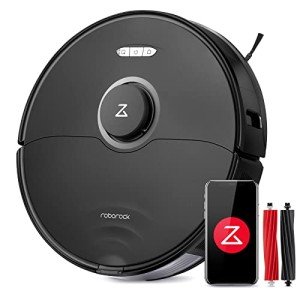
Robotic Vacuums: A Simple Definition
The Rise of Robotic Vacuums: A Comprehensive Overview
In today's fast-paced world, innovation is consistently progressing to make our lives easier, and the home cleaning sector has actually witnessed one of the most significant improvements: the robotic vacuum. This intelligent device not just conserves time and energy however also ensures a cleaner home environment with very little manual effort. This short article looks into the remarkable advancement of robotic vacuums, how they work, their advantages and disadvantages, market patterns, and future instructions.
The Evolution of Robotic Vacuums
Robotic vacuums have made terrific strides since their beginning in the late 1990s. The very first commercially offered robotic vacuum was presented in 1996, followed by different designs, each designed with escalating elegance and features. Here is a brief timeline of robotic vacuum development:
Year
Occasion
1996
Introduce of the very first robotic vacuum (Electrolux's Trilobite)
2002
iRobot Roomba is launched, making robotics mainstream
2010
Intro of innovative mapping and navigation functions
2017
Integration of AI and smart home compatibility
2022
Release of highly advanced models including self-emptying dustbins
How Robotic Vacuums Work
Robotic vacuums utilize a mix of sensing units, algorithms, and artificial intelligence to browse areas successfully. Here's how they operate:
Navigation: Most robotic vacuums utilize a series of sensing units to detect barriers and navigate around furnishings. Some high-end models include LIDAR (Light Detection and Ranging) technology to create detailed maps of the environment.
Cleaning Mechanisms: They are geared up with rotating brushes and suction systems to gather particles from different surfaces. Depending on the model, they can transition in between carpets and difficult floors perfectly.
Smart Features: Many modern-day robotic vacuums are Wi-Fi enabled, enabling users to manage them from another location via a smartphone app. Best Affordable Robot Vacuum include scheduling, drawing up cleaning paths, and integration with other smart home devices.
Self-Maintenance: High-end units may come with self-emptying capabilities, where the robot can dock itself to a base that collects dust and debris without human intervention.
Advantages of Robotic Vacuums
Robotic vacuums have gathered immense popularity, and for good reasons. Here are a few of the most substantial advantages:
- Time-Saving: Automating the cleaning process permits users to take part in other significant activities.
- Efficient Cleaning: Regular cleaning can be quickly achieved by setting up the robot to clean day-to-day or weekly, keeping dirt and irritants at manageable levels.
- Compact Design: Their little size permits them to fit under furnishings and in hard-to-reach locations.
Despite their benefits, robotic vacuums also come with restrictions:
- Limited suction power: While they work for maintaining tidy floors, they may not match the deep cleaning of conventional vacuums.
- Battery life: Most models require to go back to their dock after a specific duration of use.
- Preliminary costs: High-quality robotic vacuums can be expensive, though rates have actually been reducing with developments in technology.
Current Market Trends
The marketplace for robotic vacuums is broadening quickly. According to a recent marketing research report, the worldwide robotic vacuum cleaner market is expected to reach ₤ 7.2 billion by 2027, growing at a CAGR of 23.5%, driven by a number of factors:
Increased Adoption of Smart Home Devices
The increase of smart home innovation has motivated consumers to integrate robotic vacuums into their homes. Many robotic vacuums work effortlessly with home assistants like Amazon Alexa and Google Assistant, streamlining their operation.
Advances in Robotics and AI
As the innovation behind robotic vacuums evolves, designs are being equipped with better navigation systems, AI algorithms for learning personal cleaning routines, and enhanced functions for particular floor types.
Concentrate on Health and Hygiene
The increased awareness of cleanliness and health, particularly due to recent international events, has driven consumers to purchase gadgets that frequently eliminate dust, allergens, and pet hair from their homes.
Future Directions
As innovation advances, robotic vacuums are anticipated to progress further, incorporating functions that increase their efficiency in homes. Expected developments include:
- Improved AI Learning: With developments in artificial intelligence, future designs will be much better at understanding their environment and adapting to the needs of their owners.
- Multi-Purpose Design: Potential future models might consist of features for mopping, decontaminating, and air filtration in addition to vacuuming.
- Sustainability: As eco-consciousness increases, producers are most likely to concentrate on energy performance, recyclable products, and sustainable production practices.
FAQs About Robotic Vacuums
**1. Can robotic vacuums vacuum on carpet?Yes, many robotic vacuums can shift in between numerous floor types, including carpets and hard floorings. 2. How typically must I run my robotic vacuum?It depends
on your household's cleaning needs, however many users
arrange their robotic vacuums to run daily or every couple of days. 3. Are robotic vacuums worth the investment?For lots of consumers, the time saved and convenience provided by robotic vacuums makes them worthwhile,
**
especially for busy families. 4. Can I control my robotic vacuum remotely?Most modern robotic vacuums can be controlled through a smart device app, enabling scheduling and monitoring from anywhere. 5. Do I still require a traditional vacuum cleaner?While robotic vacuums effectively handle everyday cleaning, a traditional vacuum may still be needed for deep cleans up or hardermesses. The advancement of robotic vacuums reflects a considerable leap in automating housework, combining innovative innovation with user-friendly operation. As the trend towards smart homes continues and consumer expectations develop, robotic vacuums will likely keep improving, providing ever-greater benefit and performance in preserving tidy home. As house owners think about the potential advantages and limitations of these gadgets, it is clear that robotic vacuums have strengthened their credibility as indispensable tools in contemporary home management.